


Problem
Industry-specific risks: outages, compliance, downtime.
EmersonEIMS solution
Tailored engineering, installation, and SLA-backed service.
Business outcome
Documented uptime, audit-ready compliance, lower TCO.
B2BEmersonEIMS serves commercial, industrial, healthcare, telecom, hospitality, government & contractor clients.• Engineering-led • SLA-backed • Documented commissioning
Keyboard Shortcuts
Industry Solutions — B2B Power
We don't believe in one-size-fits-all. Every industry has unique power challenges. That's why we've developed specialized solutions for each sector — from hospital ICUs to flower farm cold rooms.
Nine Sectors. One Standard.
Click on your industry to see tailored solutions, case studies, and pricing specific to your sector.
All Services — In Pictures
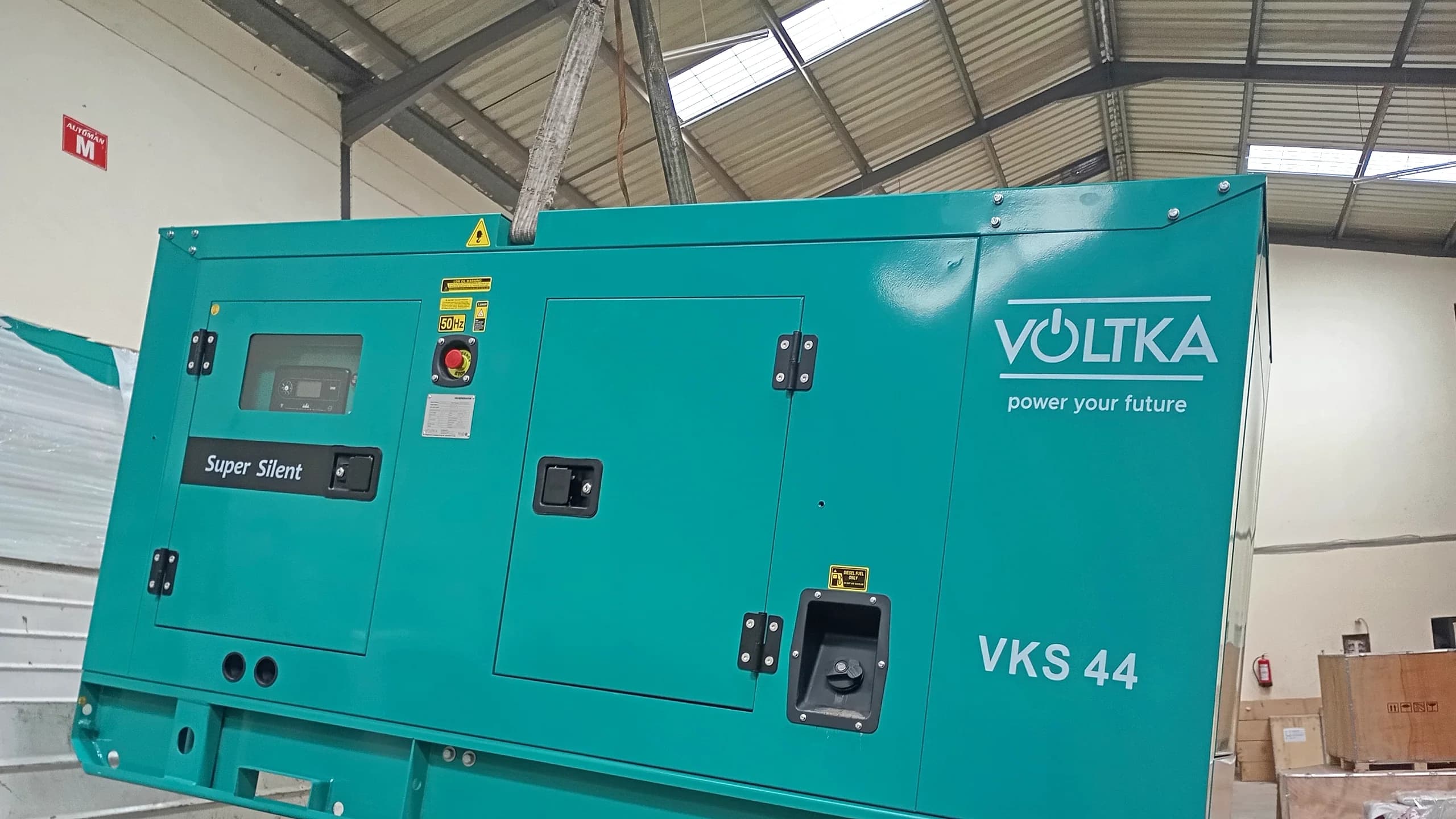
Sales, installation & ATS changeover — 20 to 2000 kVA

Grid-tie, hybrid & off-grid solar for farms and industry
Enterprise UPS with N+1 redundancy for critical loads

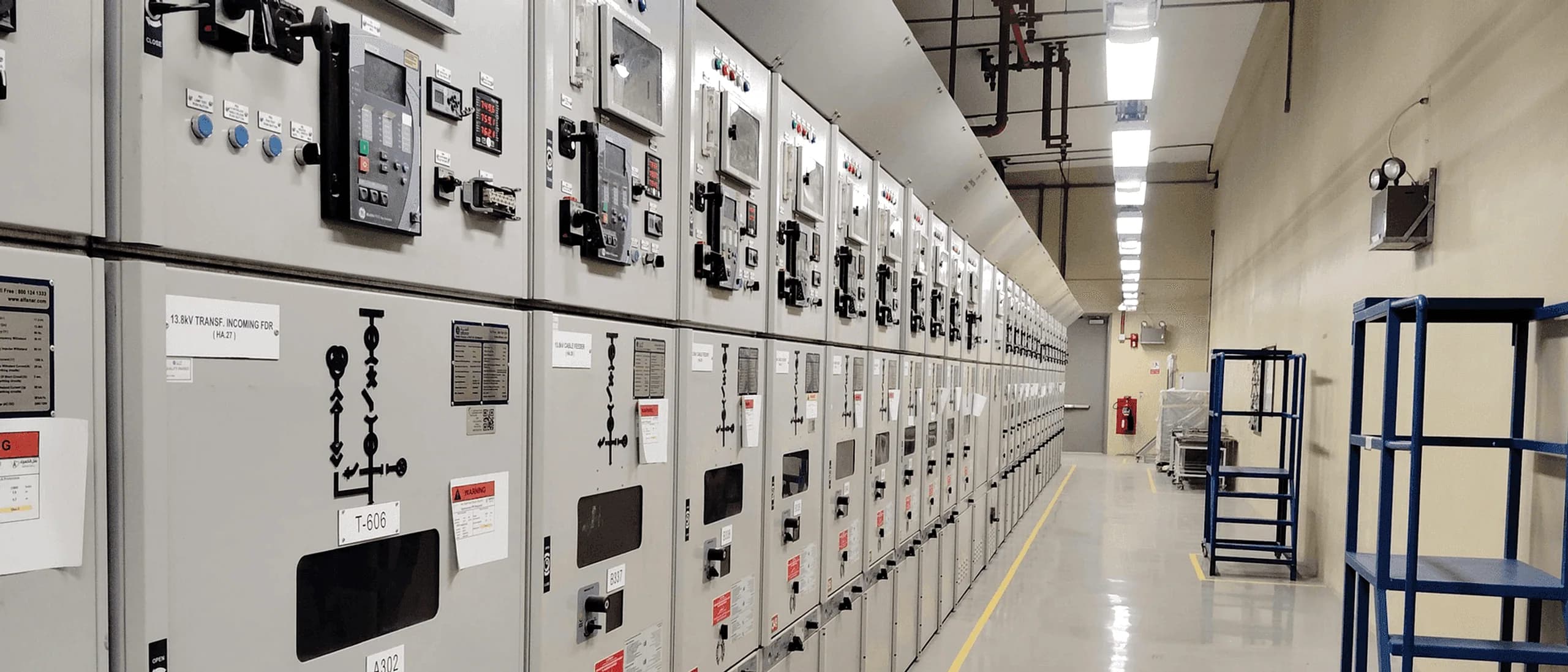
Medium-voltage switchgear & distribution panels
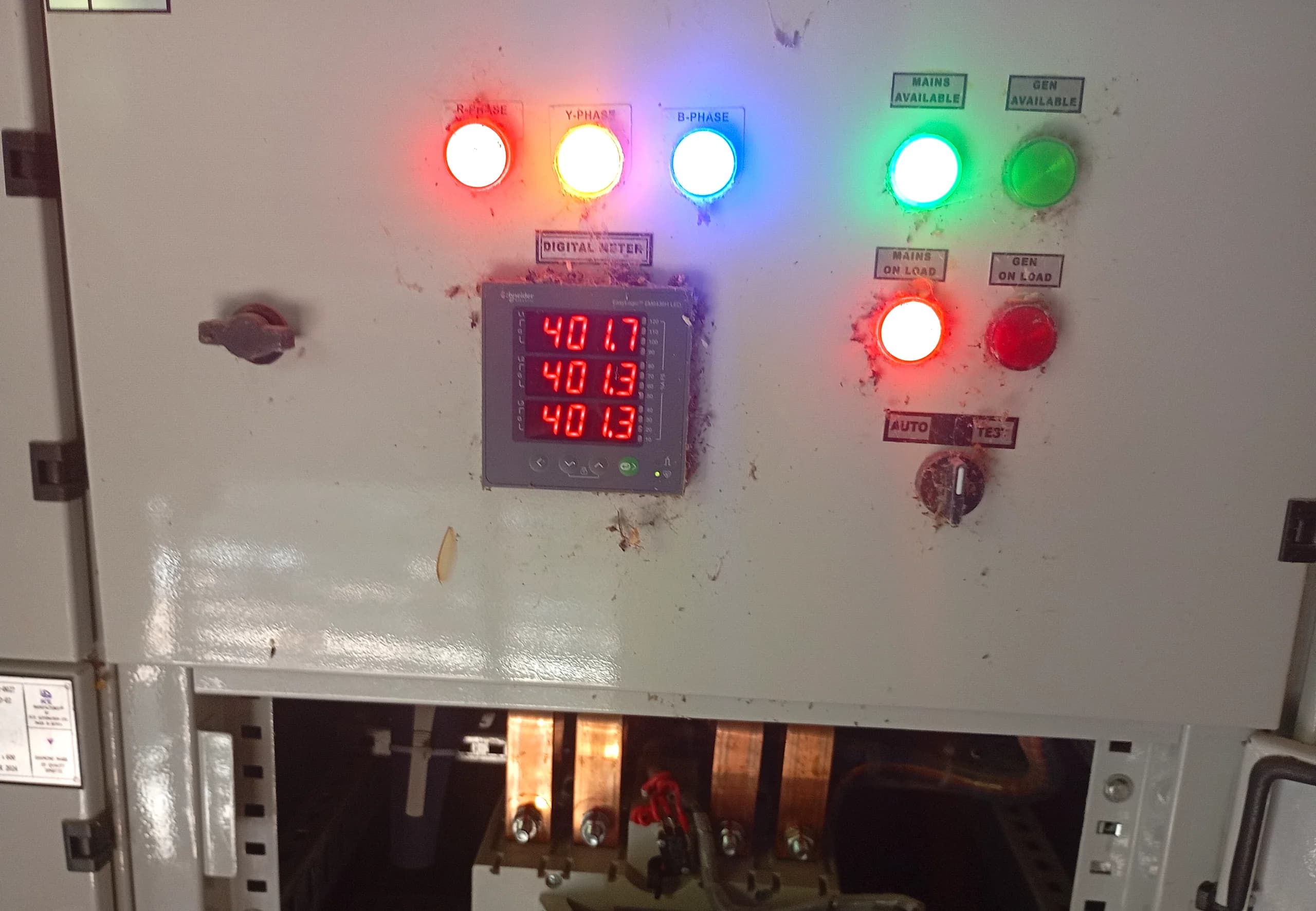
Automatic changeover and intelligent control panels
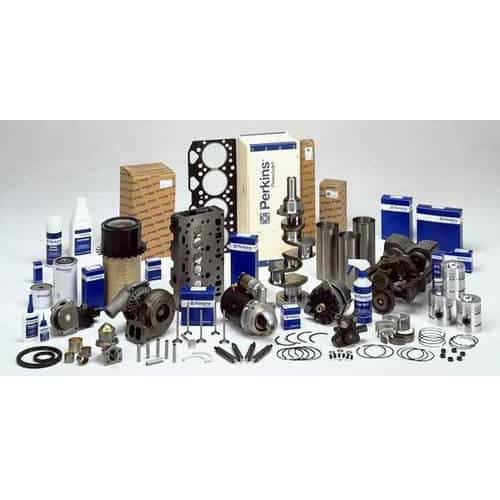
Genuine Perkins, Cummins & CAT parts and servicing
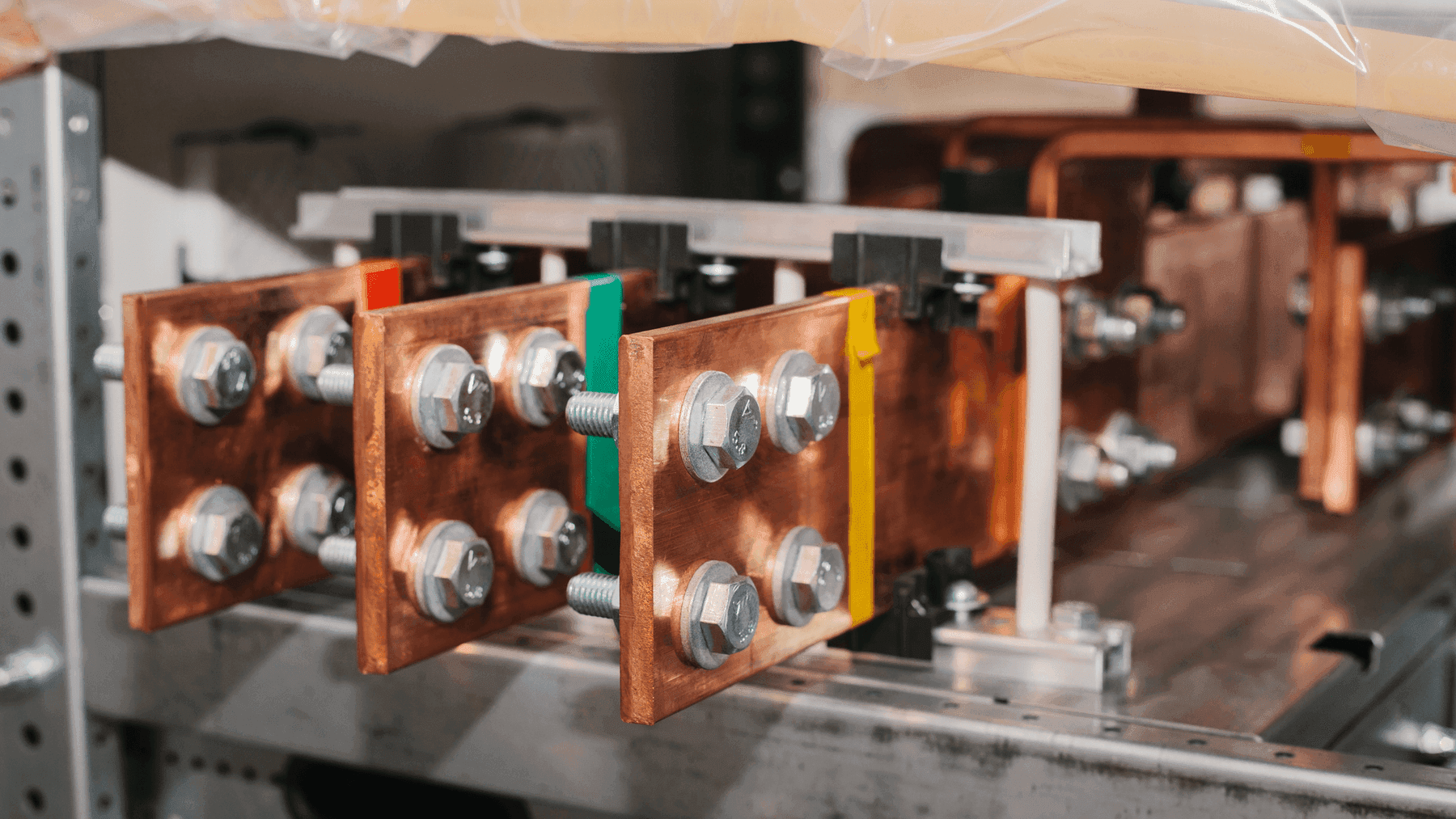
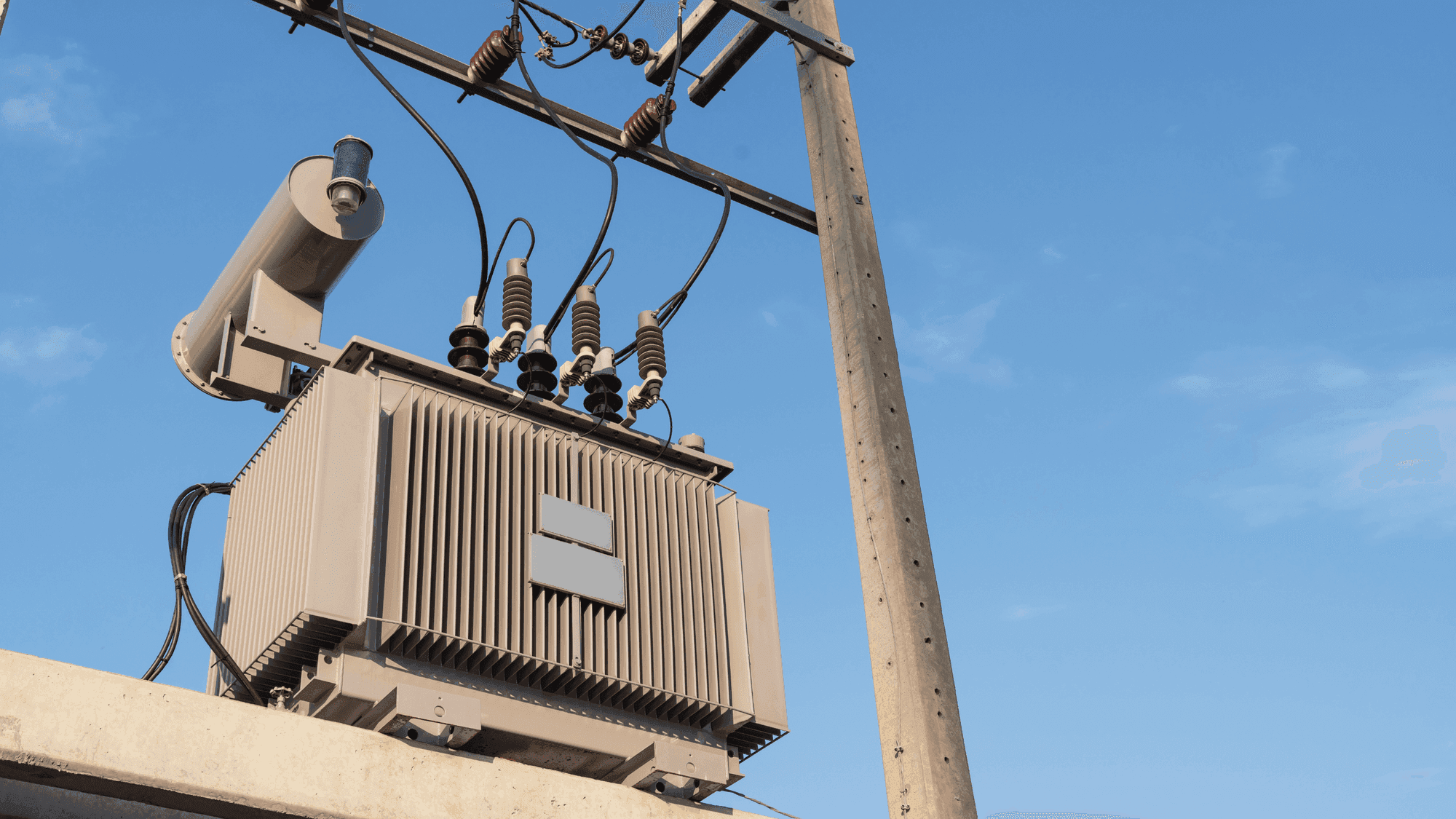
11kV/415V transformer installation & commissioning
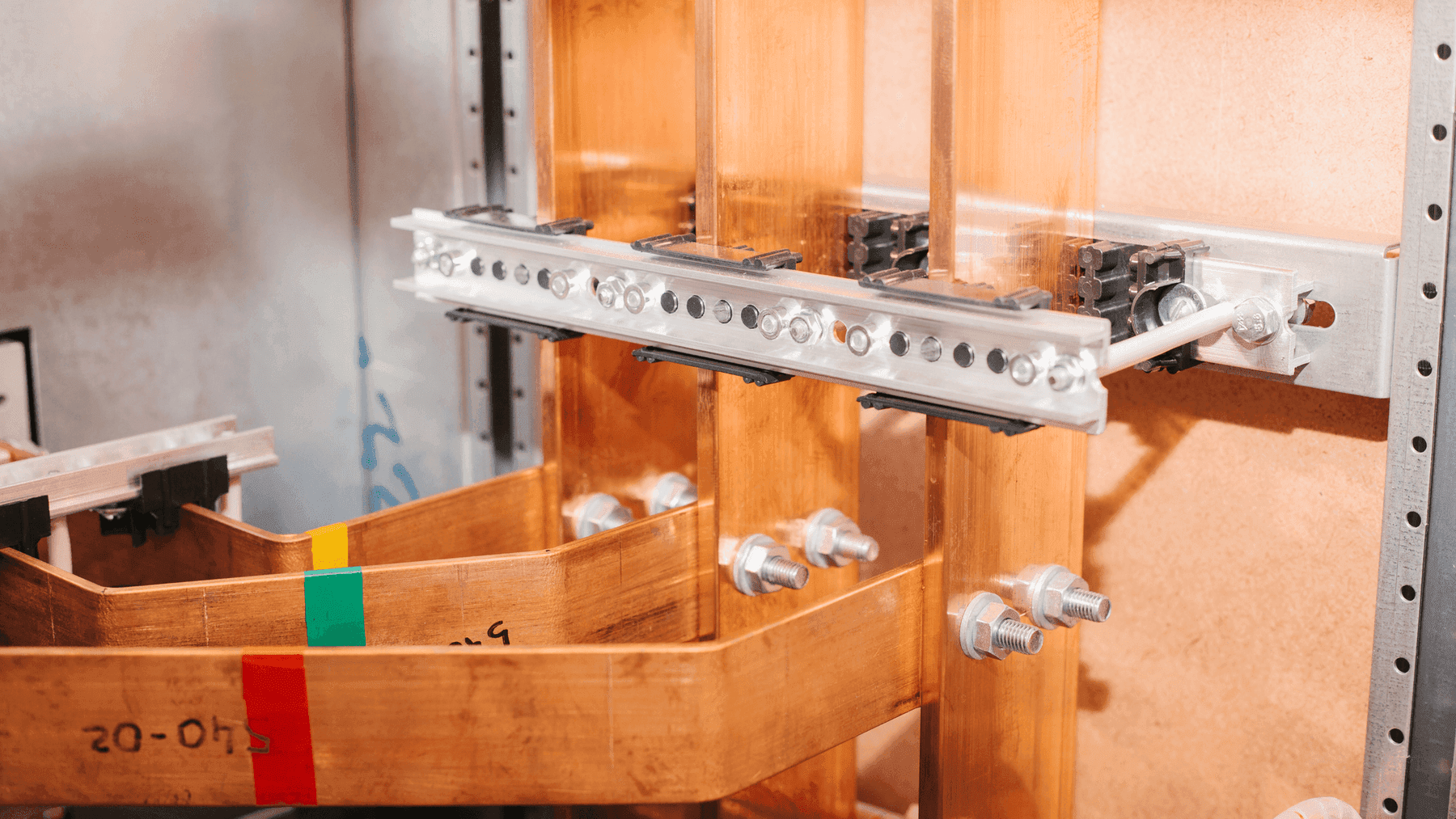
Steel fabrication — canopies, frames & structures
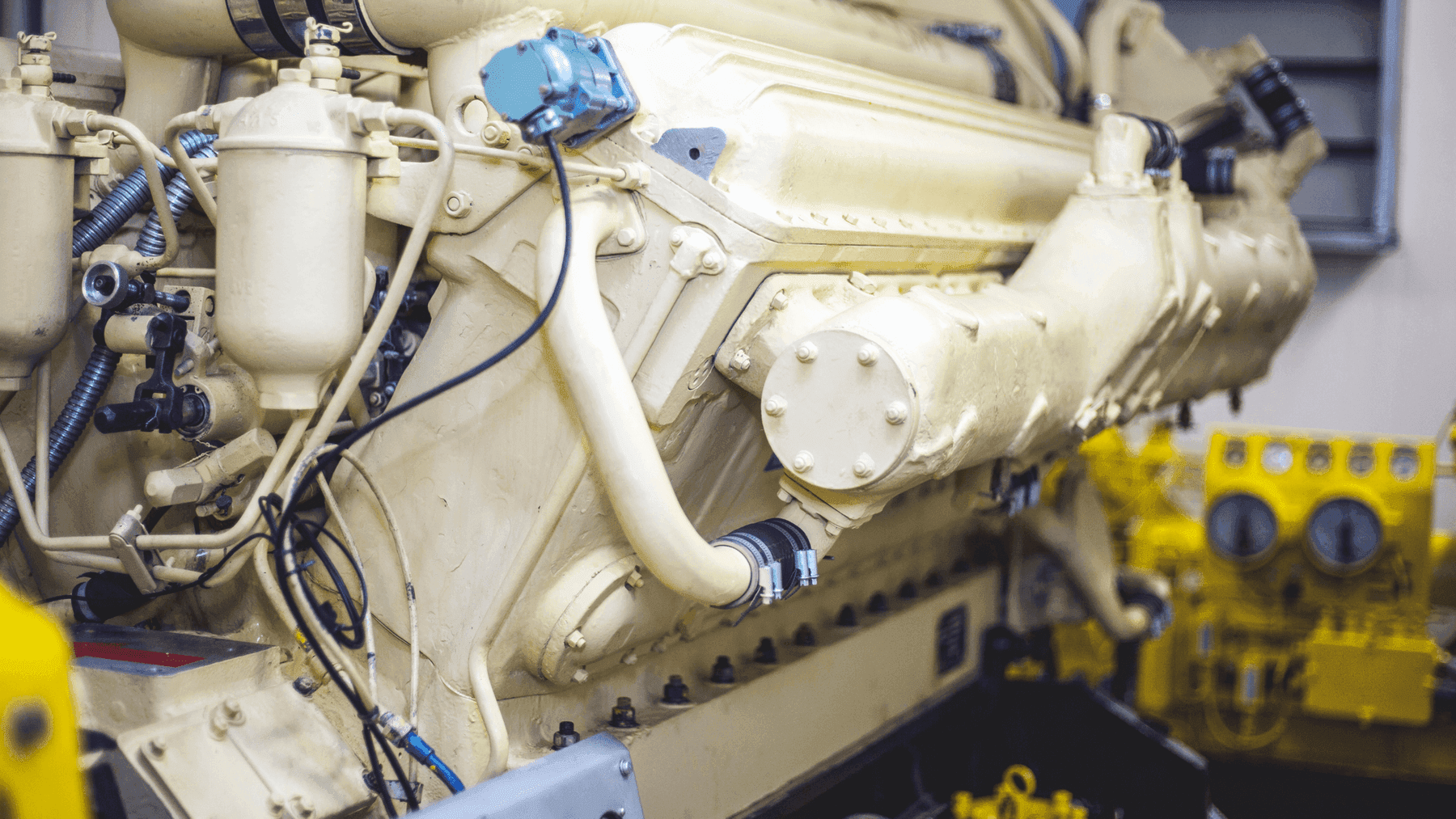
NEMA-compliant industrial & medical incinerators
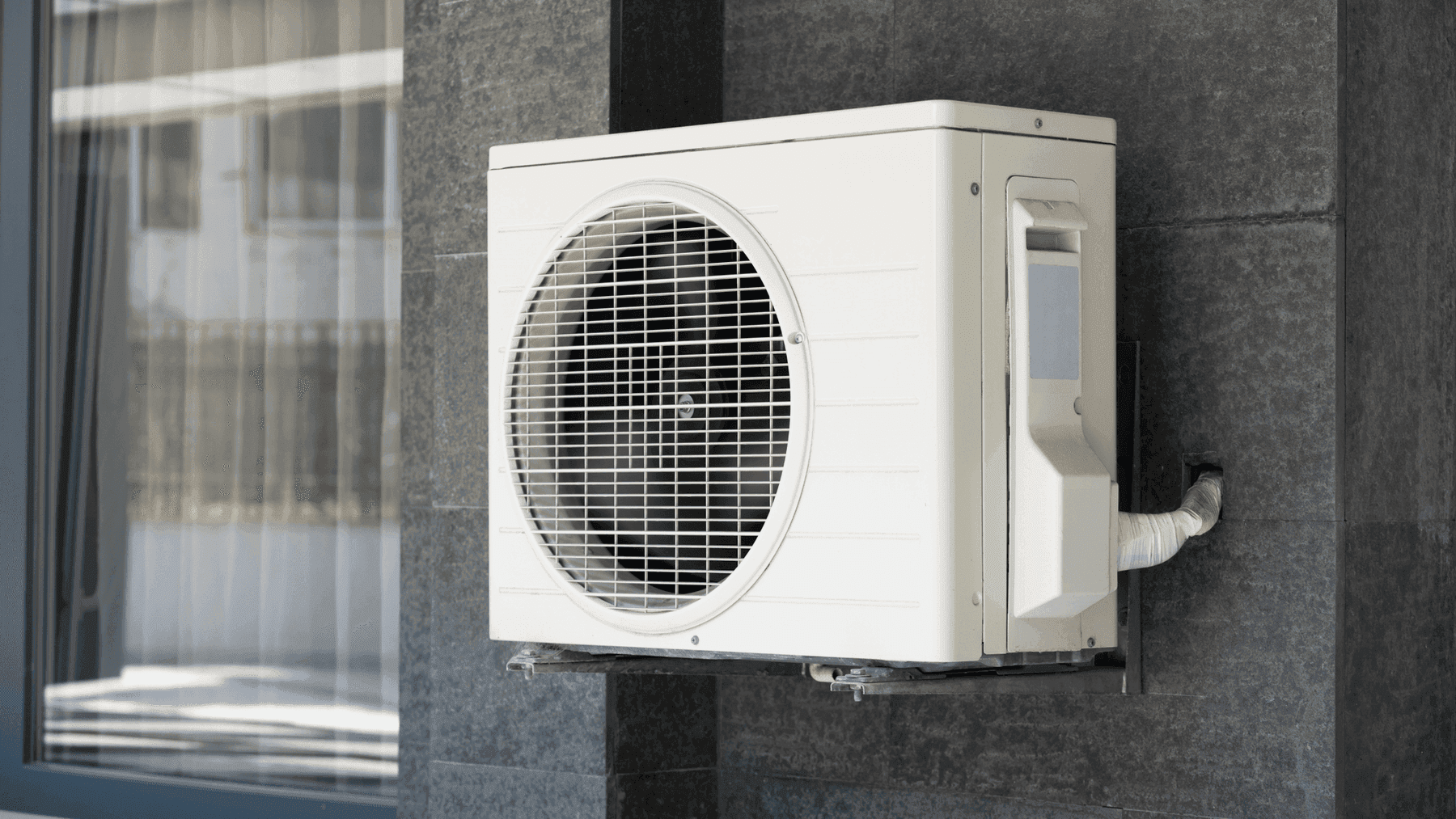
Commercial air conditioning & industrial cooling
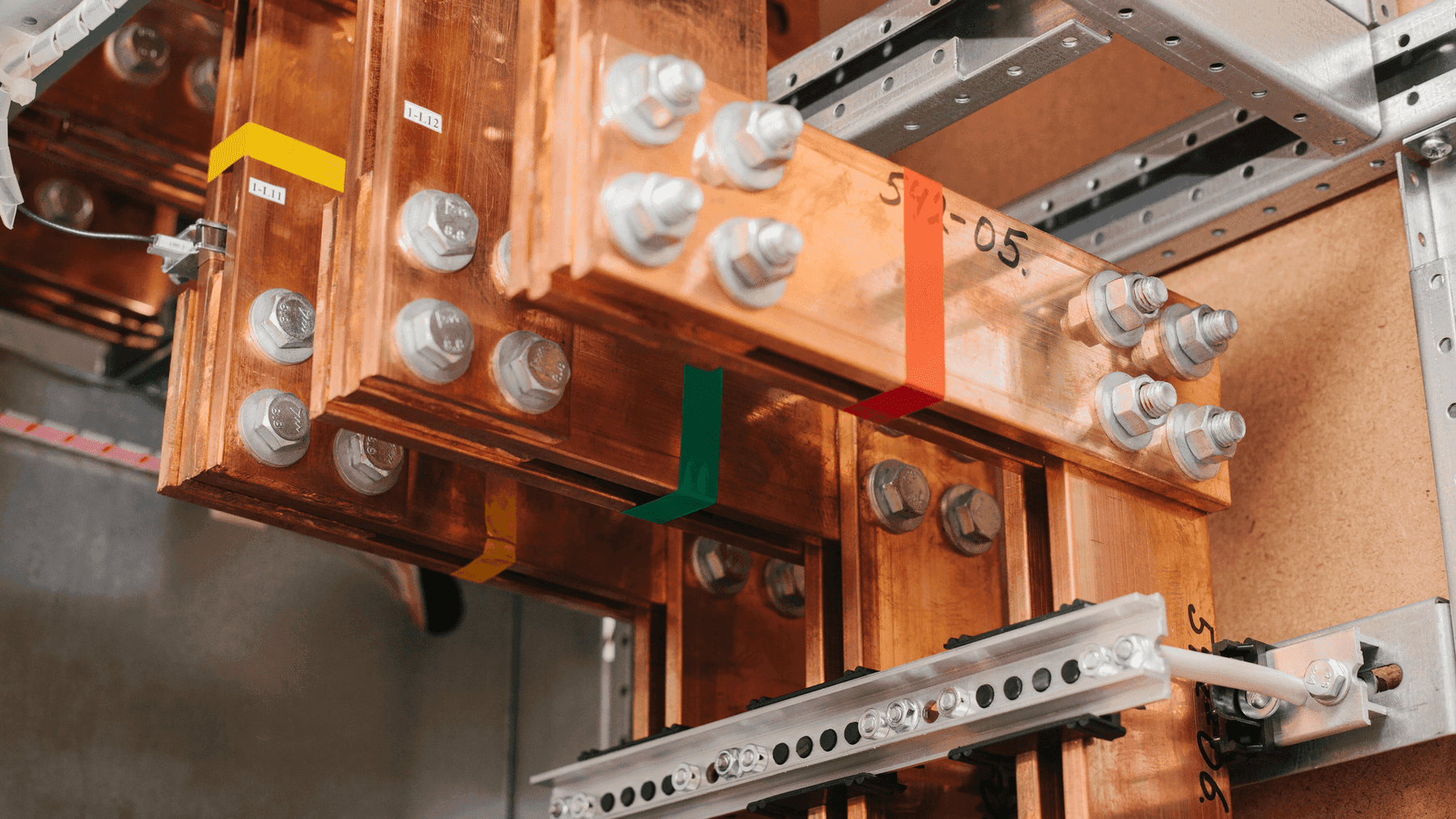
Rewinding, diagnostics & load testing — all sizes
Borehole pumps, treatment plants & distribution
Need it powered?
We build it.
A hospital needs different power specs than a hotel. We understand the critical loads, response times, and redundancy requirements for each industry.
Schools and churches operate on different budgets than banks and factories. We offer financing options and refurbished units to match your financial reality.
Healthcare regulations, CBK requirements, export certifications - we provide documentation that satisfies industry-specific compliance needs.
Our power experts will assess your specific needs and recommend the perfect solution. Free phone consultation. Site survey fee deducted from the contract when work is awarded.
From hospitals and hotels to manufacturing, banks, and agribusiness — engineered, installed, and maintained for uptime, compliance, and ROI.
Industry-specific risks: outages, compliance, downtime.
Tailored engineering, installation, and SLA-backed service.
Documented uptime, audit-ready compliance, lower TCO.
Generic solutions don’t fit your sector.
Sector-specific sizing, controls, and reporting.
Right-fit systems, proven results, sector references.
No single partner for all your sites.
Nationwide coverage, one contract, one SLA.
Simplified management, predictable cost, 24/7 support.
EmersonEIMS provides specialized power solutions for every major industry in Kenya. Unlike generic generator suppliers, we understand that each sector has unique requirements:
With over 1,500 installations across Kenya's 47 counties, we've developed deep expertise in every major industry. Our technicians understand your specific challenges, our sales team speaks your language, and our support staff knows exactly how critical your power needs are.
Call us today at +254 768 860 665 for a free consultation tailored to your industry's unique requirements.
Engineering reference
Every sector calls it 'backup power', but a hospital, a flower farm and a data centre are buying completely different things. This is how the reliability requirement changes by industry — the uptime targets, the standards behind them, and the real cost of getting it wrong — so the right people can justify the right specification.
The single most useful number in any power-resilience decision is rarely on the quotation: the cost of one hour of downtime for the business. For a textile mill it is spoilt batches and idle shifts; for a bank it is stalled transactions and regulatory exposure; for a hospital it is patient safety; for a cold store it is the entire contents. Until that figure is on the table, every power discussion is an argument about price. Once it is, the conversation becomes an investment case, and the right level of redundancy becomes obvious.
Kenya's grid, for all its improvement, still delivers outages and voltage events that most businesses absorb as "just how it is" — quietly paying in lost output, damaged equipment and overtime. Quantifying that loss is the first thing we help a client do, because it reframes resilience from a grudge purchase into one of the better returns on capital a Kenyan business can make.
Annual cost of unreliable power
C_outage = Outage_hours/yr × Cost_per_hour
Reliability is measured in availability — the percentage of time power is there when needed — and the jump between levels is steeper than it looks. 99% availability sounds excellent until you realise it permits more than three and a half days of downtime a year; 99.99% ("four nines") allows under an hour. Each extra nine typically means another layer of redundancy — a second generator, an N+1 UPS, dual feeds — and a real step up in cost. The art is matching the nines to the sector's genuine need, not over-buying for prestige or under-buying for price.
A SACCO branch does not need a data-centre's 2N architecture, and a referral hospital's theatre block must never sit on a single point of failure. We size the resilience to the consequence, document the availability the design delivers, and let the client see exactly what each nine is buying them.
| Availability | Downtime / year | Typical sector fit |
|---|---|---|
| 99% (two nines) | ~3.65 days | Small office, retail |
| 99.9% (three nines) | ~8.8 hours | Hotels, schools, general commercial |
| 99.99% (four nines) | ~53 minutes | Hospitals, banks, telecom |
| 99.999% (five nines) | ~5 minutes | Tier III/IV data centres, core network |
In healthcare, the standard (HTM 06-01 and its equivalents) splits the load into essential and critical branches, and the critical branch — theatres, ICU, life support — demands a transfer measured in milliseconds, which only an online UPS bridging to a generator can give. In manufacturing, the challenge is the brutal motor-starting and process loads that dictate generator and alternator sizing, plus power quality clean enough not to trip the PLCs. In cold chain and agribusiness — flower farms, dairies, vaccine stores — the enemy is spoilage, so the design priority is fast, automatic restoration of refrigeration and irrigation, often with solar to cut the daytime energy cost.
In banking, telecom and data, it is continuity and clean power above all: dual-corded equipment, N+1 or 2N UPS, and generators that synchronise and carry the load indefinitely. In hospitality, the guest must never know — silent, attenuated sets and seamless changeover. A supplier who offers all of these the same box has understood none of them. We start every sector engagement from its specific failure mode, because that is what the engineering has to defeat.
| Sector | Critical requirement | Typical solution stack |
|---|---|---|
| Hospitals / healthcare | Millisecond transfer to critical branch | Online UPS + auto-start genset + ATS |
| Manufacturing | Motor-start capacity + clean power | Sized genset + PFC + harmonic mitigation |
| Cold chain / agri | Fast restore, low running cost | Genset + solar hybrid + auto restart |
| Banking / telecom / data | Continuity, redundancy | N+1/2N UPS + synchronised gensets |
| Hotels / hospitality | Silent, seamless changeover | Attenuated genset + ATS + load mgmt |
| Real estate / construction | Site rental + permanent backup | Rental fleet → installed standby |
For regulated sectors the installation is only complete when the documentation is. Banks need CBK-aligned reliability evidence; hospitals need installations and emissions (for incinerators) that satisfy the Ministry of Health and NEMA; government and donor-funded work needs AGPO-compliant vendors and an audit trail. A system that works but cannot be evidenced fails the audit that matters, and retro-fitting documentation onto an undocumented install is painful and expensive.
We build the compliance in from the design stage — single-line diagrams, load schedules, test certificates, SLA logs and emissions records — so the client can answer any auditor, regulator or board with a folder rather than a scramble. For multi-site organisations we standardise this across every site under one contract, which is its own quiet form of resilience.