The design sequence
Design starts from the load and the goal (offset the daytime bill? ride through outages? go off-grid?), because that decides the architecture — grid-tie, hybrid or off-grid. Next comes the array, sized from the energy target and the site's peak sun hours and performance ratio, then the string design, which must keep voltage inside the inverter's MPPT window at both the cold-morning and hot-afternoon extremes. The inverter is matched to the array with a sensible DC/AC ratio, and the balance of system — cabling sized for volt-drop, protection, isolation and earthing — ties it together safely.
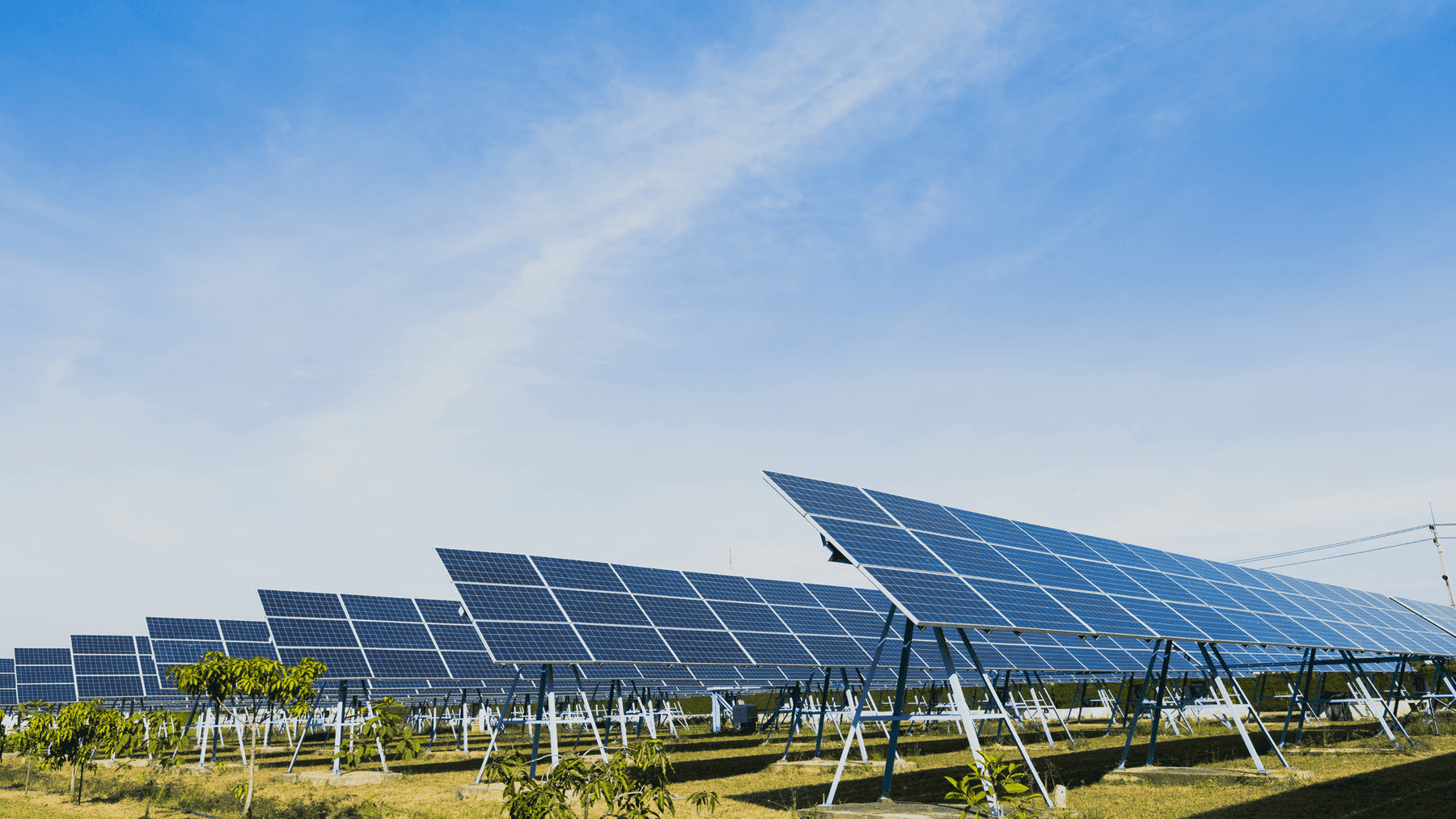
Layout and shading are where good design earns its money: panels in a string share current, so a single shaded module drags the whole string. The studio models the roof, the sun path and obstructions so strings are arranged to avoid mismatch, and orientation/tilt are chosen for the yield profile the site actually needs (a business with afternoon peaks may favour a slightly west-of-north tilt over absolute maximum annual yield).